Fire Safety at Home
We all hope it will never happen, but would you know what to do in the event of a fire in your home? There are steps you can take to reduce the chances of a fire but it’s important to always be prepared. Never try and tackle a fire yourself – if a fire starts in your home, call 999.
Here are some valuable fire safety tips you should consider at home:
DO:
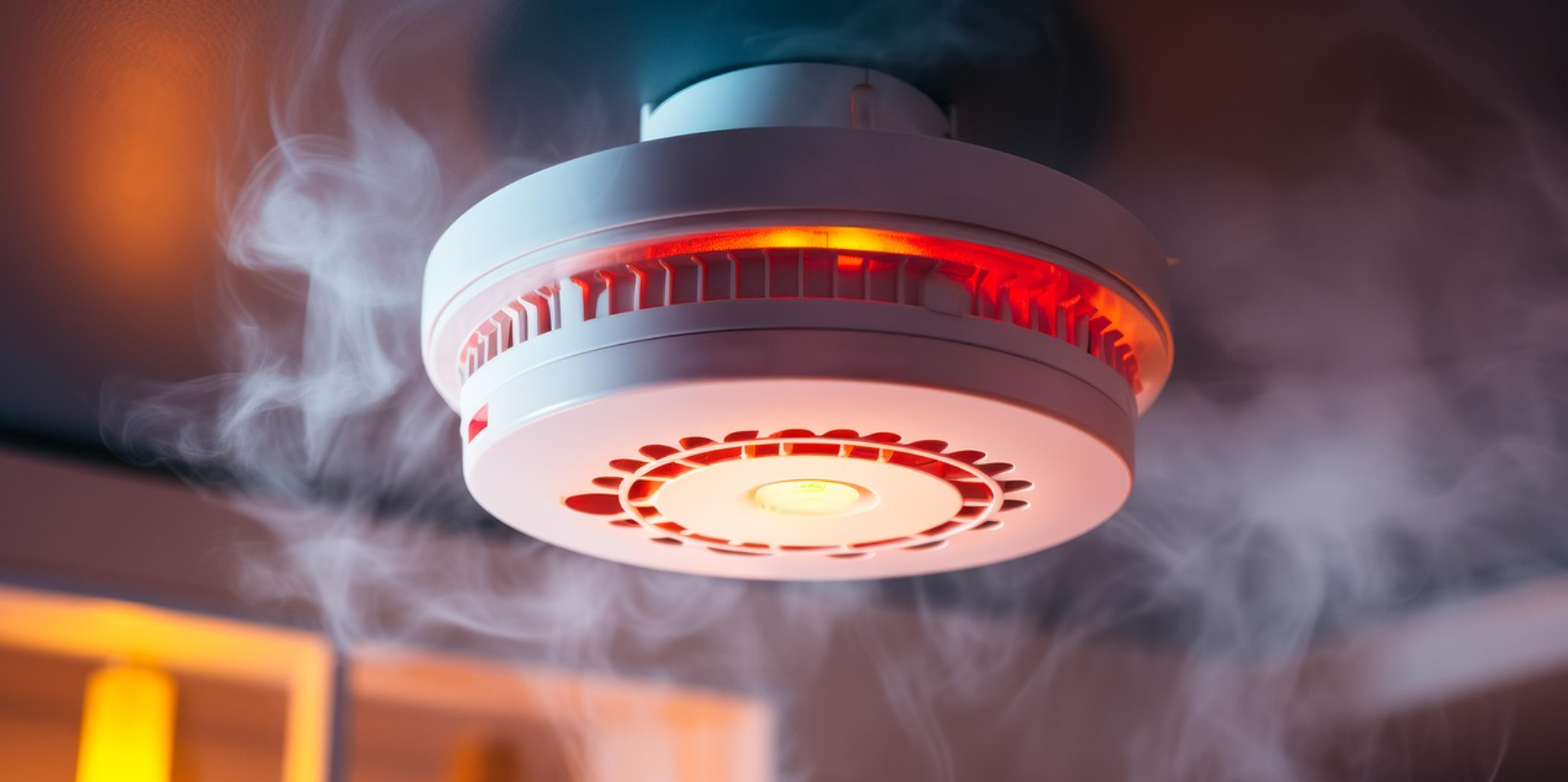
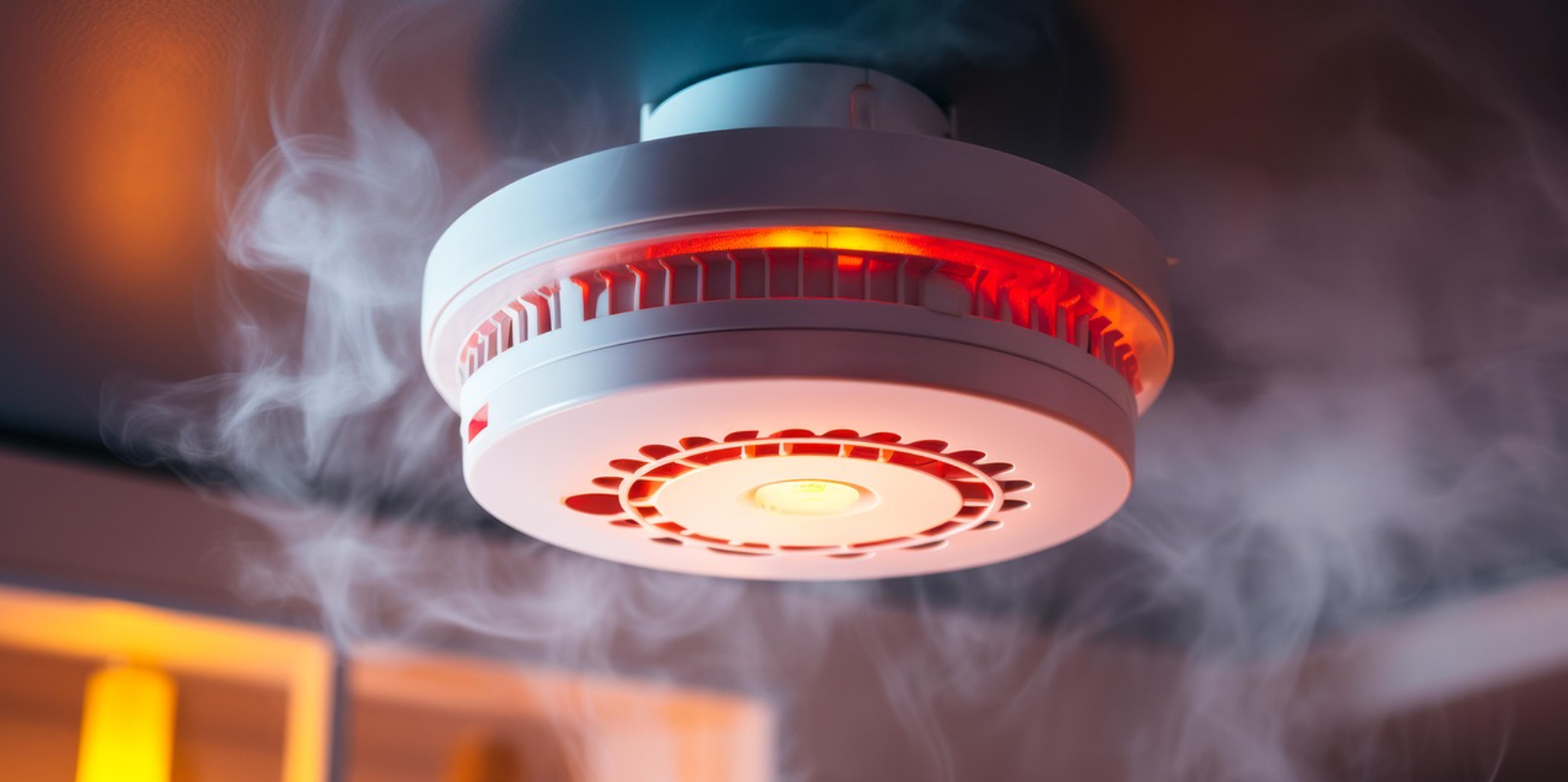
Test your smoke alarm – it takes a couple of seconds, but it could save your life!
Unplug appliances (not fridges and freezers) to reduce the risk of fire
Put out cigarettes
Smoke outdoors - this is safer than smoking indoors
Keep all electrical items in good working order e.g. tumble dryer – if they need repairing contact the manufacturer
Barbecues - keep a bucket of water, sand or garden hose nearby for emergencies.
DON’T:
Leave pans unattended while cooking - most fires start in the kitchen
Leave lit candles unattended - make sure candles are in a correct holder and are put out completely at night
Charge electrical items overnight
Overload extension leads/adapters
Smoke in bed
Use weed burners and use chemical weed killer instead
Burn garden waste
Barbecues
NEVER place fire pits, chimineas, barbecues or candles too close to gazebos, sheds, fences, trees/bushes or anything else that could catch fire.
NEVER use petrol or paraffin to start or revive a fire or barbecue. You should only use recognised lighters or starter fuel on coals.
NEVER leave a barbecue unattended. DO NOT leave them to smoulder and ensure they are completely out before leaving them.
Enjoy yourself but don't drink too much alcohol if you oversee a barbecue or any cooking.
DO NOT empty barbecue or fire ashes/embers into a dustbin or wheelie bin. If they're hot, they can melt the plastic and start a fire. Empty them onto bare garden soil.
NEVER store gas cylinders with combustible materials like rubbish or wood. Avoid storing them in sheds
If you have communal areas, you share with others:
DO:
Ensure store cupboards in communal areas are closed and locked
Close kitchen and living room doors at night to prevent the possible spread of fire
If you notice a repair is needed in a communal area, please report it - If any item in a communal area is damaged, let us know so we can get it fixed.
DON’T
Store or charge electrical items overnight in communal areas
Keep personal items in communal areas - they are an escape route if there’s a fire
Smoke in communal areas - smoking is one of the main causes of fires in common areas, so it’s prohibited
Leave rubbish in communal areas - please put rubbish in your own bin or in the communal bins
Leave fire doors wedged open; they should not be changed or damaged - doors in communal spaces, including flat entrance doors are certified fire doors.
In the event of a fire:
Stay calm and act quickly – tell everyone to get out
Call 999 when you are in a safe space
Don’t waste time trying to take valuables/belongings with you
Close all doors behind you to contain the fireif you can
If your escape route is blocked:
Stay in a room far away from the fire and wait for the fire fighters to arrive
If you can’t get to a phone, open a window and shout for help
Put towels or bedding around the bottom of the door to reduce the smoke getting in